
Data & Analytics
Turning data into better health outcomes.
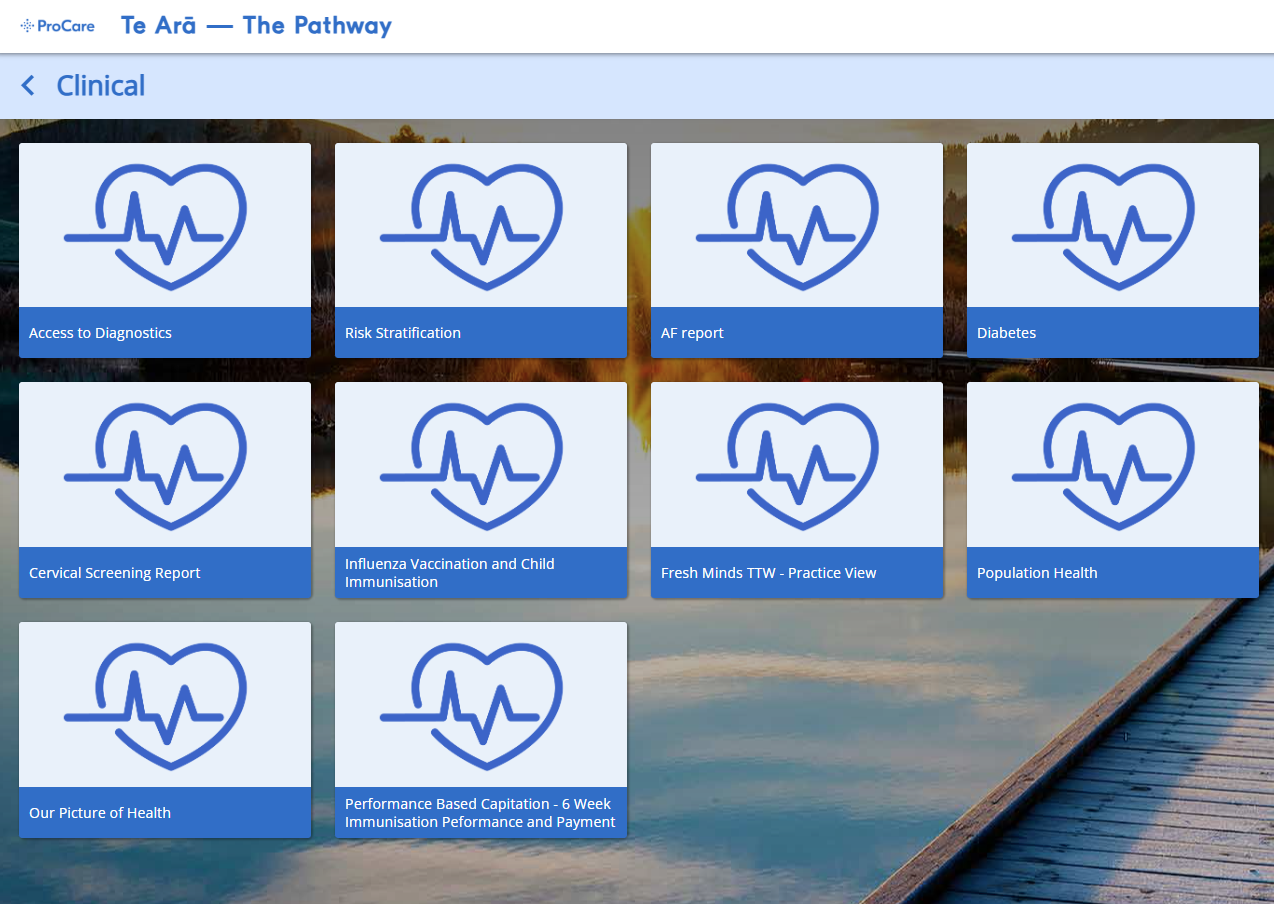
ProCare provides Network practices with access to one of the most comprehensive primary care data and analytics platforms in Aotearoa. Through our secure reporting platform, Te Arā, practices can access real-time insights that help them understand their enrolled population, identify unmet health needs, and take action to improve patient outcomes.
Te Arā transforms complex health data into clear, easy-to-use dashboards and reports, giving practices a complete picture of the patients they care for.
Practices that are part of our Network can access their reports here.
Data requests
From time to time, organisations may wish to make requests for access to primary care data which is held by ProCare.
Typical use cases include:
Partners collaborating on service provision
Universities or academics requesting data for formal research
Other health sector agencies require data for a clinical project.
If you would like to request access to ProCare’s data, please click here to read our FAQs before filling out our data request form. If you still have questions after reading these two documents, then please email datarequests@procare.co.nz.
Actionable insights for better care
Practices can access a wide range of clinical, operational, and management reports covering areas such as:
Population health
Risk stratification
Diabetes management
Cardiovascular disease risk
Immunisation and influenza vaccination
Cervical screening
Whānau unmet needs
Patient experience
Quality and performance measures
Funding and claims reporting
Practice benchmarking.
Reports are updated regularly, with data refreshed daily, weekly, or monthly depending on the source, so practices always have access to current information.
Understanding your population
Every ProCare practice receives a tailored population health profile that provides detailed insights into the health and wellbeing of its enrolled patients. These reports help practices understand:
The health needs of their community
Demographic trends, including age, ethnicity and deprivation
Preventive care opportunities
Emerging health risks
Areas where additional support may be needed.
By highlighting gaps in care and inequities, practices can focus resources where they will have the greatest impact.

-

Supporting equitable health outcomes
Our analytics tools make it easier to identify and address inequities in health outcomes, particularly for Māori, Pacific peoples, and communities experiencing higher levels of socio-economic deprivation.
Practices can view performance and health indicators across different population groups, helping teams prioritise outreach, follow-up care, and take preventive interventions for those who need them most.
-
A whānau-centred view of care
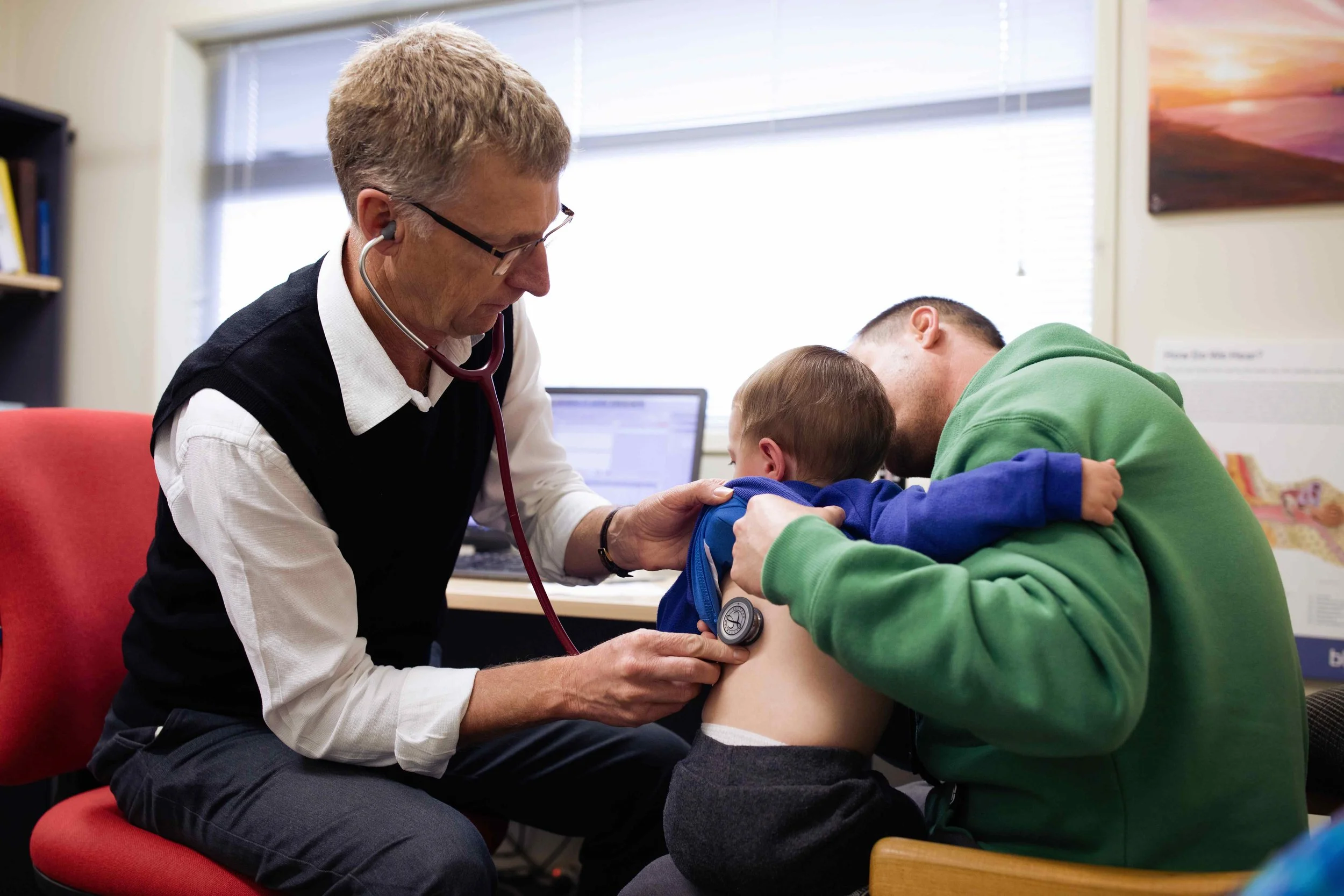
Where appropriate, data can be viewed at a whānau level, bringing together information for people living at the same address. This enables practices to identify shared health needs, co-ordinate care more effectively, and support the wellbeing of the whole whānau rather than individuals in isolation.
-

Benchmarking and continuous improvement
Practices can track their progress over time and compare their performance with similar practices across the Network. This benchmarking capability helps practices identify opportunities for improvement, measure the impact of interventions, and share in best practice.
A point of difference for ProCare
While many PHOs provide reporting, ProCare's strength lies in the depth, breadth and usability of its data and analytics. Our reporting platform gives practices practical, patient-focused insights that support informed decision-making, targeted care and better population health outcomes.
We are continually looking for ways to improve our data and reporting services, guided by feedback from practices and the changing needs of the communities they support. This means refining existing reports, developing new insights where they add value, and making it easier for practices to use information in their day-to-day decision-making.